

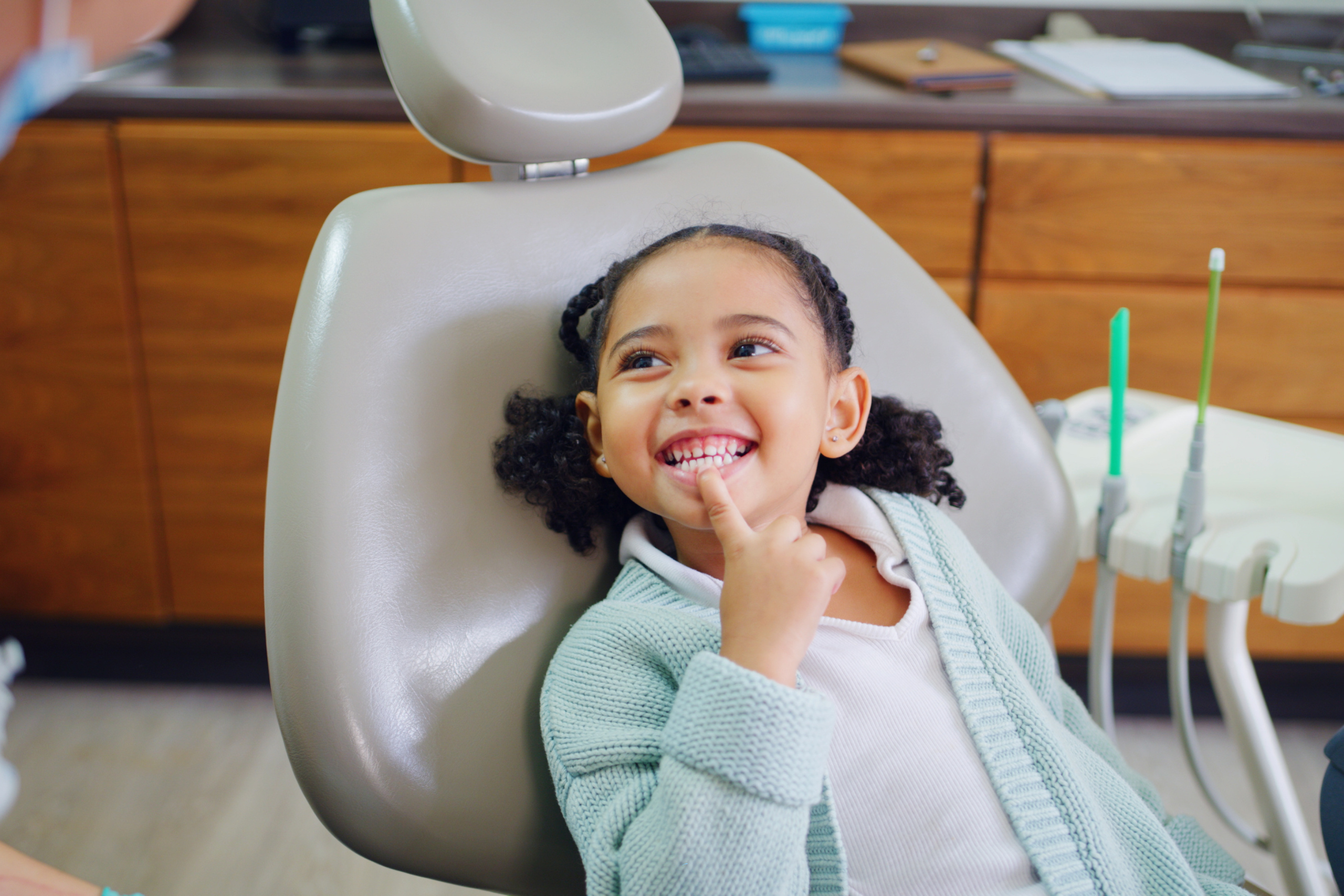
Most parents assume cavities are a “baby teeth problem” that sorts itself out once the adult teeth come in. That’s not really true. A cavity left untreated can cause pain, infection, and even affect how the permanent tooth underneath develops. If your child has had more than one cavity despite brushing twice a day, there’s usually a specific reason behind it, not just bad luck. This guide covers why children get cavities, the early signs parents tend to miss, and what actually works to prevent them, along with when it’s worth booking a visit to a dental clinic in Trivandrum.
What Causes Cavities in Children
Cavities form when bacteria in the mouth feed on sugar and starch left on teeth, producing acid that wears down enamel. Kids are more prone to this because their enamel is thinner than an adult’s, so less acid exposure causes damage. They also tend to snack often, exposing teeth to sugar for longer stretches through the day rather than just at mealtimes.
A few other contributors:
- Sipping juice, milk, or sweetened drinks from a bottle at bedtime
- Skipping the back molars during brushing, where cavities most often start
- Sharing spoons or cleaning a pacifier by mouth, which passes cavity-causing bacteria to a child
- Not getting enough fluoride, either from water or toothpaste
- A family history of cavities, since tooth structure and saliva composition can be inherited
None of this means a parent is doing something wrong. It’s usually small habits that go unnoticed until a cavity shows up.
Signs of Cavities Parents Often Miss
Cavities don’t always announce themselves with pain. By the time a child complains of a toothache, decay has often reached the inner layer of the tooth. Watch for these earlier signs instead:
- Chalky white spots on the teeth, which is often the first visible stage of decay
- Brown or grey discoloration, particularly between teeth or along the gumline
- Sensitivity to cold drinks or sweets
- Bad breath that doesn’t go away with brushing
- Your child avoiding chewing on one side of the mouth
- Visible pits or small holes, especially on the back teeth
If you notice any of these, get it checked rather than waiting to see if it gets worse. Cavities don’t reverse on their own once the enamel has broken down.
Why Baby Teeth Cavities Still Matter
Baby teeth hold space for the permanent teeth growing underneath them. If a baby tooth is lost early to decay, surrounding teeth can shift into that space, often leading to crowding later. An infected baby tooth can also damage the permanent tooth bud beneath it, sometimes causing discoloration or enamel defects before it even erupts.
There’s a practical side too. A child in pain eats and sleeps poorly, and is more likely to develop anxiety around dental visits going forward. Treating decay early, while it’s still small, is far simpler than dealing with an abscess later.
How a Pediatric Dentist in Trivandrum Can Help
A pediatric dentist in Trivandrum is trained specifically to work with children, which makes a real difference in how early problems get caught. They know how to spot decay before it turns painful, and they’re better equipped to keep a nervous child calm during treatment.
Beyond the check-up itself, a pediatric dentist in Trivandrum can apply preventive treatments like fluoride varnish and dental sealants, which coat the grooves of the molars where cavities most commonly start. They can also give parents age-appropriate advice on diet and brushing rather than generic guidelines that don’t account for how kids actually behave.
At Dental Home Dental Care, this is a big part of what we see day to day. Parents often assume their child’s brushing routine is fine, and it usually is, but there’s a gap somewhere else, like snacking patterns or a missed spot at the back of the mouth, that a trained eye picks up quickly.
Practical Prevention Tips for Parents
A few consistent habits go a long way in preventing cavities:
- Brush twice a day, supervised. Kids under seven or eight usually can’t brush effectively on their own. A parent should do it or check afterward.
- Use the right amount of fluoride toothpaste. A smear for toddlers, a pea-sized amount from around age three.
- Cut back on grazing. Frequent snacking throughout the day is often worse for teeth than an occasional dessert after a meal.
- Avoid bedtime bottles with anything but water. Milk and juice pooling around teeth overnight is one of the most common causes of early childhood decay.
- Don’t skip the six-month check-up, even if nothing looks wrong. Many cavities are painless until they’re advanced.
- Ask about sealants once the back molars come in, usually around age six.
None of this requires a complete overhaul of your routine. Small, consistent adjustments usually matter more than one big change.
When to Visit a Dental Clinic in Trivandrum
You don’t need to wait for a complaint of pain before booking an appointment. A good rule of thumb is a check-up every six months from the child’s first birthday, or as soon as the first tooth appears. If you’ve already noticed white spots, discoloration, or sensitivity, get it looked at sooner rather than later.
Dental Home Dental Care runs clinics across Malayinkeezh, Jagathy, and Kattakada, so most families in and around Trivandrum have a branch that’s a reasonable drive away. Whichever dental clinic in Trivandrum you choose, the important thing is consistency: regular visits catch problems while they’re still small and inexpensive to treat.
If your child hasn’t had a dental visit in the last six months, or you’ve noticed any warning signs above, it’s a good time to book an appointment with a dental clinic in Trivandrum before a small issue turns into a bigger one.
Frequently Asked Questions
At what age should my child first see a dentist?
Most dental associations recommend a first visit within six months of the first tooth erupting, or by the first birthday at the latest, so the dentist can track development early.
Are cavities in baby teeth worth treating if they’ll fall out anyway?
Yes. Baby teeth hold space for permanent teeth and support chewing and speech. An untreated cavity can lead to infection or damage the permanent tooth forming underneath.
How often should my child get a dental check-up?
Every six months is standard for most children, though a dentist may suggest more frequent visits if your child is prone to decay.
Can cavities be prevented with brushing alone?
Brushing helps, but diet and snacking habits matter just as much. Cutting back on sugary snacks between meals and using fluoride toothpaste correctly count for a lot too.
What happens during a child’s first cavity treatment?
Treatment usually involves removing the decayed portion and filling it, similar to adult treatment but done with techniques suited to a child’s comfort level and explained step by step to ease anxiety.